Rehab Loan in Dallas-Fort Worth Metroplex, TX
You may be able to purchase a home and roll the costs of the renovation into your loan.
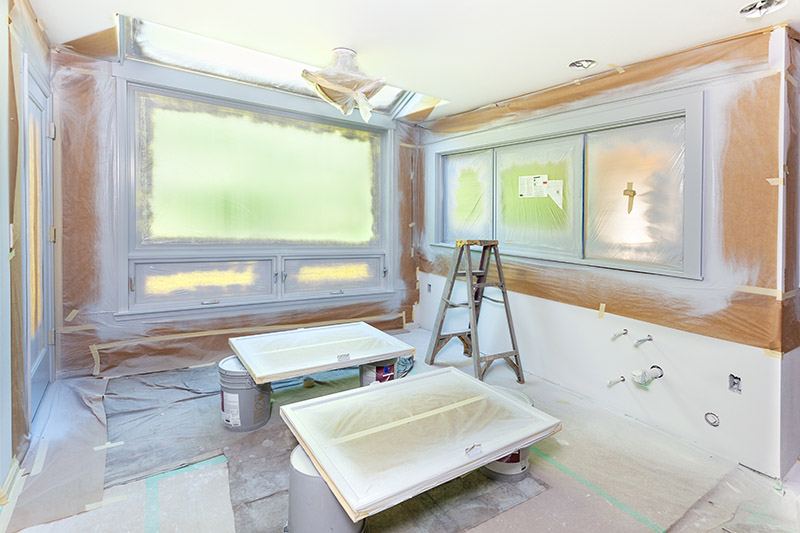
A rehab loan is a type of mortgage that finances both the purchase of a home and the cost of eligible renovations in a single transaction. For buyers in the Dallas-Fort Worth Metroplex, Mortgage Edge offers guidance on rehab loans that may help you turn a fixer-upper into your dream home. Whether you’re a first-time buyer, a veteran, or self-employed, we’re here to help you understand how rehab loans work and whether they may be appropriate for your needs.
Key Takeaways
- One Loan for Purchase and Renovation: Rehab loans may allow you to finance both the home purchase and repairs with a single mortgage.
- Multiple Program Options: FHA 203(k), VA renovation, and conventional rehab mortgages are available, each with different eligibility rules.
- After-Improved Value: Loan amounts are based on the home’s projected value after renovations, not just its current state.
- Contractor Oversight Required: Most rehab programs require licensed contractors and detailed project documentation.
- Longer Timelines: Expect a more complex process and a longer closing period compared to standard loans.
- Mortgage Insurance May Apply: FHA and some conventional rehab loans require mortgage insurance premiums.
- Community Commitment: As sponsors of Big Brothers and Sisters and Esperanza, we’re dedicated to supporting local Dallas-Fort Worth families and neighborhoods.
Understanding Rehab Loan Basics
Rehab loans in the Dallas-Fort Worth Metroplex provide a pathway for buyers to purchase and renovate homes that need work. These loans, sometimes called renovation mortgages, are designed for properties that may not meet standard lending guidelines due to their condition. By combining purchase and renovation costs, a rehab loan can make it possible to buy a home that needs repairs or updates and finance the improvements as part of your mortgage.
In our experience, many buyers are surprised to learn that a single loan can cover both the acquisition and the renovation, streamlining the process and potentially saving money compared to separate financing. Rehab loans are available through several programs, including the FHA 203(k), VA renovation loans for eligible veterans, and conventional rehab mortgages for those who meet credit and income requirements.
Common Questions About Rehab Loans
- What is a rehab loan? A rehab loan is a mortgage that combines the funds needed to purchase a home with the money required for eligible renovations, all in one loan.
- Who can qualify for a rehab loan? Eligibility varies by program, but rehab loans are generally available to owner-occupants, including first-time buyers, veterans, and self-employed borrowers who meet credit and income standards.
- How does the process differ from a standard mortgage? Rehab loans require additional steps, such as contractor bids, project documentation, and sometimes third-party consultants, making the process longer and more detailed than a typical purchase loan.
- Can I do the renovation work myself? Most rehab mortgage programs require that work be performed by licensed contractors; self-help is usually not permitted, especially for major repairs.
- Do I need a higher down payment for a rehab loan? Down payment requirements depend on the program—FHA 203(k) loans often require as little as 3.5% down, while conventional rehab loans may require more. See our FHA Home Loan page for more details.
- Is mortgage insurance required? FHA rehab loans require both upfront and annual mortgage insurance premiums; conventional options may also require private mortgage insurance if the down payment is below 20%.
- How long does it take to close a rehab loan? The timeline is typically longer than a standard mortgage—often 45 to 60 days or more—due to the extra steps involved in project approval and contractor vetting.
- What types of repairs are eligible? Eligible repairs range from cosmetic updates to structural improvements, depending on the program. Major additions or luxury upgrades may have restrictions. For investment-focused renovations, see our Fix & Flip Home Loan options.
How Rehab Loans Work
- Initial Consultation: We start by discussing your goals, property type, and renovation needs to determine if a rehab loan may be appropriate for your situation.
- Pre-Approval and Program Selection: You’ll complete a pre-approval process, during which we review your credit, income, and assets to match you with the right rehab mortgage program—FHA, VA, or conventional.
- Property Search and Offer: Once pre-approved, you can shop for homes in the Dallas-Fort Worth Metroplex that need repairs. Your offer should include a contingency for renovation financing.
- Contractor Bids and Project Scope: After your offer is accepted, you’ll work with licensed contractors to develop detailed bids and a written scope of work. This documentation is required for loan approval.
- Appraisal Based on After-Improved Value: An appraiser evaluates the property’s projected value after renovations are complete. This value helps determine your maximum loan amount.
- Loan Processing and Underwriting: We submit your application, contractor documents, and appraisal for underwriting. For larger projects, a HUD consultant may be required to oversee the process.
- Closing and Renovation Escrow: At closing, funds for the purchase and renovation are disbursed. The renovation portion is held in escrow and released in stages as work is completed and inspected.
Is a Rehab Loan Right for You?
Rehab loans may be a good fit for buyers who want to purchase a home in a desirable location but are willing to take on properties that need repairs or updates. This approach often works well for first-time buyers looking for value, veterans using VA renovation options, and self-employed borrowers who want to customize a property to their needs. If you’re comfortable with a longer timeline and are prepared to work with contractors, a rehab loan can open up opportunities in neighborhoods where move-in-ready homes are scarce or expensive.
However, rehab loans may not be appropriate for everyone. If you need to close quickly, prefer to avoid the complexities of construction, or want the flexibility to change your renovation plans mid-project, you may want to consider alternatives such as a standard Fixed Rate Mortgage or Low Down Payment Purchase Options. In our experience, buyers who are not comfortable managing contractors or who have very limited cash reserves may find the process challenging.
Costs, Fees, and What to Expect
Rehab loans come with unique costs and timelines compared to standard purchase mortgages. You can expect to pay standard closing costs, an upfront and ongoing mortgage insurance premium (for FHA loans), and possibly higher rates than traditional programs. Down payment requirements start as low as 3.5% for FHA 203(k) loans, but conventional rehab programs may require 5% or more. The process typically takes longer—often 45-60 days or more—due to the need for contractor bids, detailed project review, and additional underwriting steps.
For example, on a $400,000 home in Dallas with $60,000 in planned renovations, you might need a down payment of $16,100 (3.5% of the combined purchase and renovation cost) for an FHA 203(k) loan. Closing costs for this scenario often range from $8,000 to $12,000, depending on third-party fees, title charges, and required reserves. It’s important to budget for possible cost overruns or delays, as construction projects can be unpredictable.
| Feature | Rehab Loan | Standard Mortgage |
|---|---|---|
| Down Payment | 3.5% (FHA) or 5%+ (Conventional) | 3%–20% (varies by program) |
| Closing Costs | $8,000–$12,000 typical on $400k–$500k | Often $6,000–$10,000 |
| Mortgage Insurance | Required for FHA/conventional under 20% down | Required for FHA/conventional under 20% down |
| Interest Rate | Often slightly higher than standard loans | Generally lower for well-qualified borrowers |
| Timeline to Close | 45–60+ days | 30–45 days |
| Eligible Repairs | Cosmetic and structural (program-specific) | Limited (minor repairs only) |
For buyers interested in building from scratch, a Construction Home Loan may be worth exploring as an alternative.
Common Mistakes to Avoid
- Underestimating the Timeline: Many borrowers expect a rehab loan to close as quickly as a standard mortgage, but the need for contractor bids, project review, and inspections often adds weeks to the process.
- Choosing Unqualified Contractors: Selecting a contractor who isn’t licensed, insured, or familiar with rehab loan requirements can lead to loan denial or costly delays. In one case, a borrower’s project stalled for months because the contractor failed to submit proper documentation.
- Changing the Scope Mid-Project: Once your renovation plan is approved, making changes requires lender approval and can delay construction. This is especially true for FHA 203(k) loans, where change orders must be justified and reviewed.
- Overlooking Contingency Reserves: Rehab loans often require a contingency fund (usually 10-20% of the renovation budget) to cover unexpected costs. Failing to plan for this can leave you short on funds if surprises arise.
- Assuming All Repairs Are Eligible: Not all improvements qualify—luxury upgrades, pools, or outbuildings may be excluded by the program. Always confirm with your lender before finalizing your project list.
- Not Reviewing Local Permit Requirements: In the Dallas-Fort Worth Metroplex, certain neighborhoods have strict permitting rules. Missing a permit can halt your project and put your loan at risk.
Local Factors for Rehab Loans in Dallas-Fort Worth Metroplex
The Dallas-Fort Worth Metroplex offers a wide variety of properties, from historic homes in Oak Cliff to mid-century houses in Richardson, many of which may benefit from rehab financing. In neighborhoods like Bishop Arts and Arlington Heights, buyers often encounter homes with strong bones but dated interiors, making them candidates for renovation loans. The region’s robust job market—including tech, healthcare, and logistics employers—drives demand for housing, but inventory of move-in-ready homes can be tight. Local permitting requirements can vary significantly between Dallas and Fort Worth, so it’s important to work with contractors who understand the specific city codes. Additionally, property values can fluctuate by school district and proximity to major employers, which may affect after-improved appraisals for rehab loans.
Ready to Explore Your Rehab Loan Options?
If you’re considering a rehab loan in the Dallas-Fort Worth Metroplex, we’re here to help you evaluate your options and guide you through every step of the process. As proud sponsors of Big Brothers and Sisters and Esperanza, we’re committed to supporting our local community while helping you achieve your homeownership goals. Get started with Mortgage Edge (NMLS #35960) today—reach out for a personalized consultation or Get Started online.
This is educational content and not financial advice. Loan programs and guidelines can change. Talk with a licensed mortgage professional about your specific scenario.